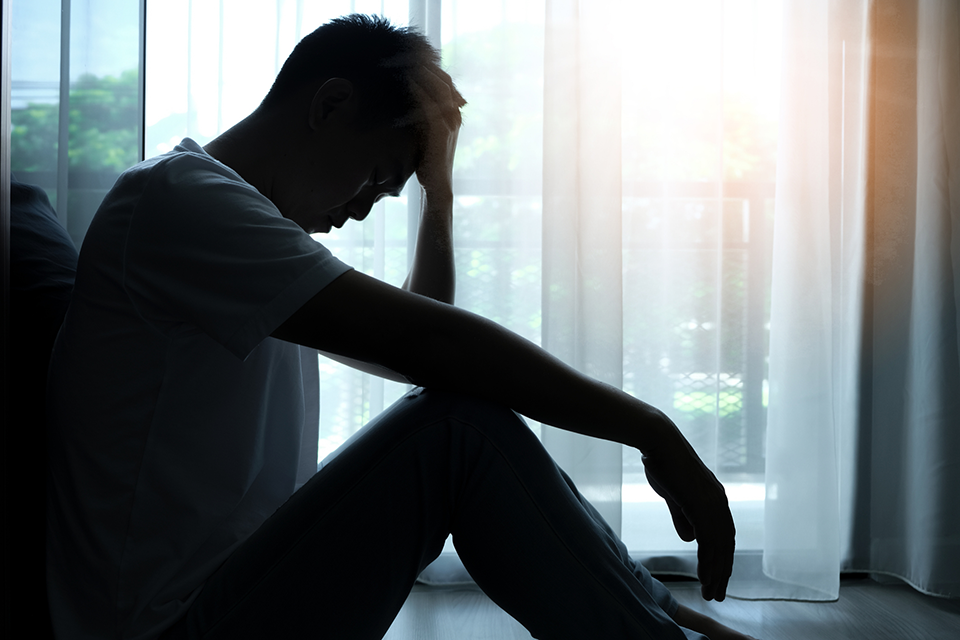
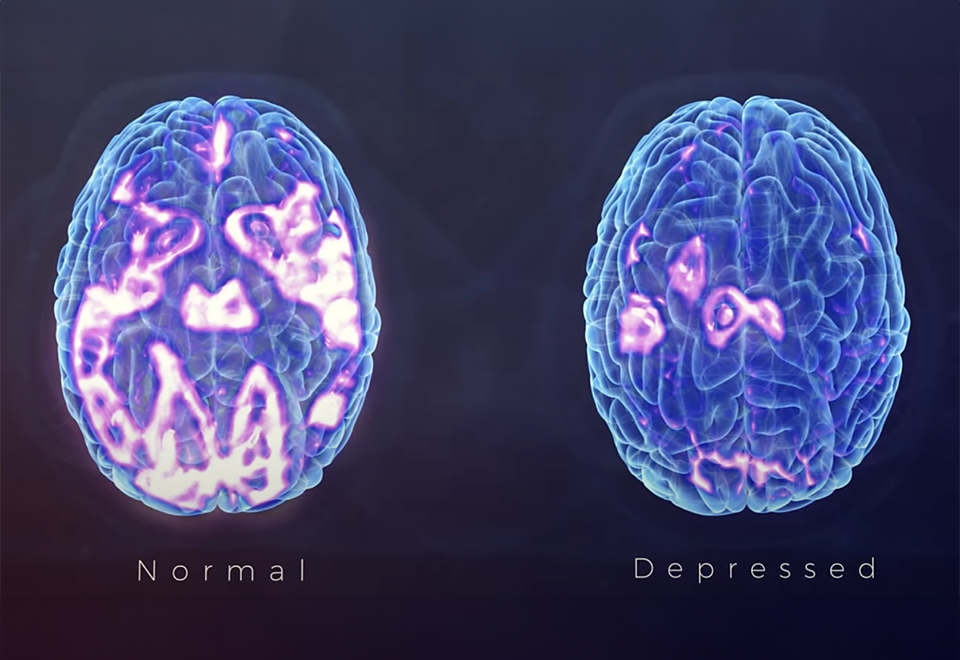
If you’ve tried antidepressants, talk therapy, or multiple combinations and still aren’t feeling better, you’re not alone. Up to one-third of people with depression don’t respond to standard treatments.
At Brain Treatment Center Michigan, we offer two approaches for treatment-resistant depression — both non-invasive, drug-free, and performed in-office with no downtime.
What Is Treatment-Resistant Depression?
Treatment-resistant depression (TRD) is diagnosed when symptoms persist despite trying at least two antidepressants. It can feel frustrating, isolating, and exhausting. But it doesn’t mean you’re out of options.
You may be experiencing:
Chronic sadness or hopelessness
Fatigue, sleep issues, or brain fog
Emotional numbness or lack of motivation
Thoughts of self-harm or feeling disconnected from life
TRD isn’t a personal failure. It’s a signal that your brain may need a different kind of support.
Option 1: TMS Therapy
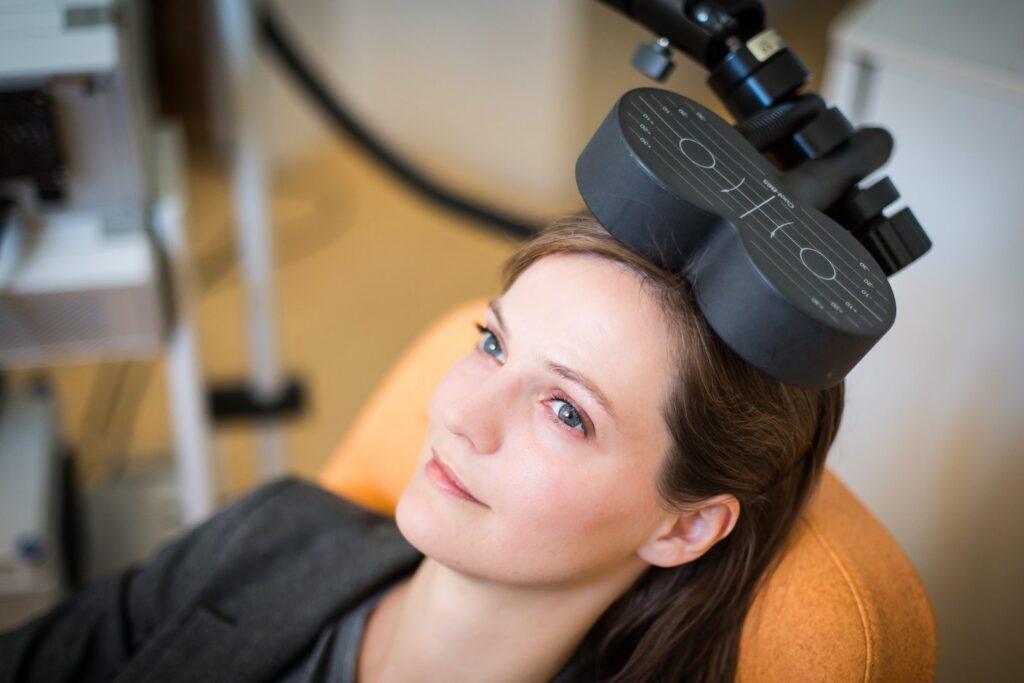
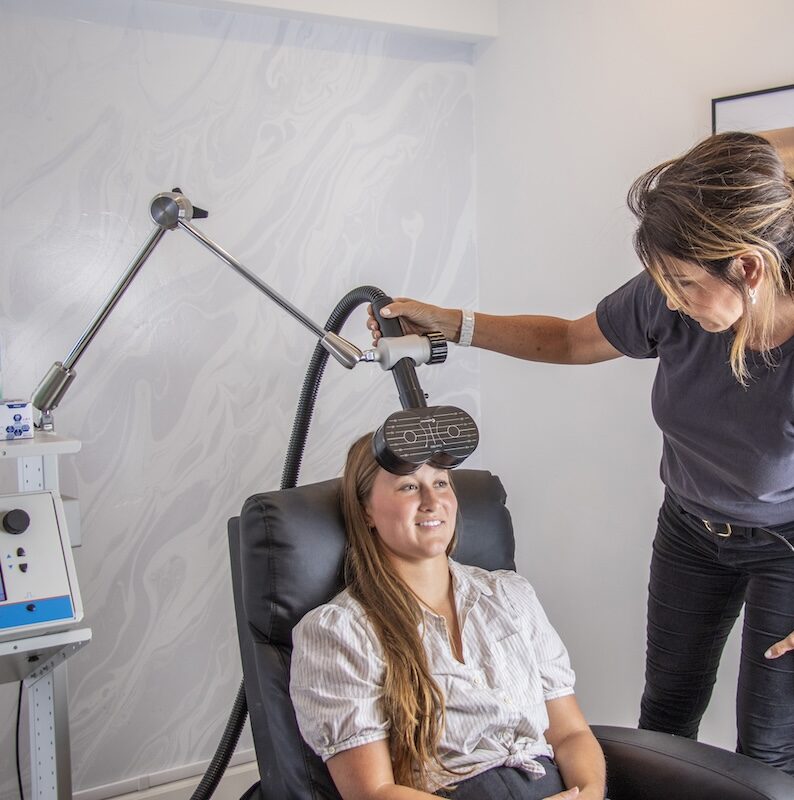
Transcranial Magnetic Stimulation (TMS) is FDA-cleared for major depressive disorder and treatment-resistant depression.
It delivers focused magnetic pulses to brain regions involved in mood regulation, helping restore healthier neural activity without medication or invasive procedures.
TMS has been used safely and effectively for depression since 2008 and is the treatment most likely to be covered by insurance, including TRICARE, when medical criteria are met.
Option 2: MeRT
A More Personalized Approach
For patients who want a higher level of individualization, we also offer MeRT® (Magnetic e-Resonance Therapy).
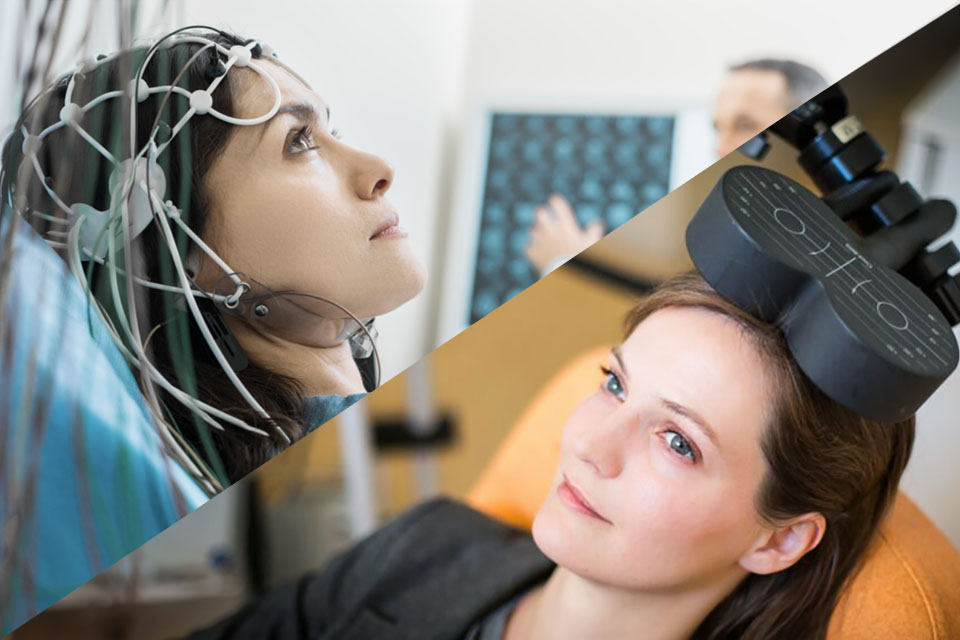
MeRT uses the same core technology as TMS but begins with a quantitative EEG (qEEG) and EKG to map your brain’s unique electrical activity. Treatment is then calibrated to your specific patterns rather than following a standard protocol.
MeRT is not currently covered by insurance, but many patients pursue it after exploring TMS coverage or as a private-pay option from the start.
Magnetic stimulation has been well-studied for treatment-resistant depression. A major trial published in JAMA Psychiatry compared rTMS to a medication switch and found:
37.5% of patients responded to rTMS, compared to just 14.6% who improved after switching antidepressants.
27.1% of patients achieved remission with rTMS, while only 4.9% did so with antidepressants.
MeRT is built on this foundation, adding brain mapping to increase accuracy and effectiveness.
Source: Williams NR et al., 2021, JAMA Psychiatry, 78(4), 337–347
Treatment begins with an evaluation. For patients pursuing MeRT, this includes:
qEEG and EKG testing to map your brain’s electrical activity
A consultation to review results and build your plan
A customized protocol using MeRT technology
During treatment:
Sessions last 30–45 minutes, five days per week
A full course typically runs 4–6 weeks
There is no sedation or downtime. You can return to daily activities right after
Most patients begin to notice changes in mood, energy, and mental clarity within the first few weeks.
Why Choose Brain Treatment Center Michigan?
At Brain Treatment Center Michigan, we’re committed to helping individuals heal through cutting-edge, compassionate care.
Experienced team trained in advanced TMS and MeRT protocols
Personalized care in a supportive environment
Serving Detroit, Grand Rapids, and surrounding communities
Proud to support patients looking for alternatives to long-term medication use
Whether you’ve struggled with depression for years or have recently been diagnosed, we’ll meet you where you are and help you move forward.
Let Us Help You Find a New Path Forward
If you’ve been living with treatment-resistant depression, there’s hope. We offer a different path, one that begins with understanding how your brain works and how it can improve.
Call us today to schedule a free phone consultation. Or fill out the form below.