Call Us:  269-430-7966

Depression Treatment in Michigan

TMS Therapy for Treatment-resistant Depression

Our clinic offers FDA-cleared transcranial magnetic stimulation (TMS) for adults with major depressive disorder who haven’t found relief with medication.

We also offer MeRT® (Magnetic e-Resonance Therapy), which takes rTMS a step further by using advanced diagnostics to assess brain function and communication.

Non-invasive • Drug-free • No anesthesia


Ashley has fought depression for years. Prescriptions didn’t help. Counseling and other forms of therapy were all attempted, but the results were not conclusive and didn’t stick.

After treatment at Brain Treatment Michigan with MeRT, Ashley thinks she’s become an even better version of herself.

When Medication Isn’t Enough, There Are Other Options

Depression can make even simple daily tasks feel overwhelming—especially when you’ve tried medications that didn’t work or caused unwanted side effects.

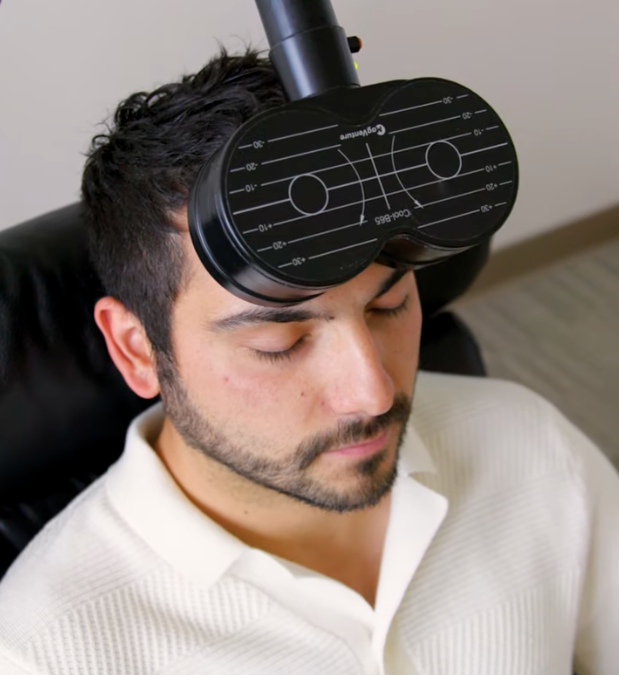
At Brain Treatment Center Michigan, we offer FDA-cleared TMS therapy for treatment-resistant depression. TMS uses gentle magnetic stimulation to target brain regions involved in mood regulation, helping restore healthier brain activity without medication or invasive procedures.

If you’ve tried two or more antidepressants without meaningful improvement, you may qualify for TMS, and insurance may help cover treatment.

Call for a Free Phone Consultation

TMS Therapy for Depression

Transcranial Magnetic Stimulation (TMS) has been used safely and effectively for depression since 2008. It is FDA-cleared for:

  • Major Depressive Disorder (MDD)

  • Treatment-Resistant Depression (TRD)

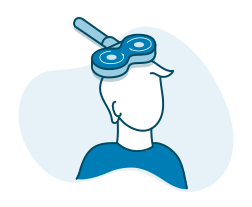
TMS works by delivering focused magnetic pulses to specific regions of the brain associated with depression. These pulses help “re-activate” underperforming neural pathways linked to mood, motivation, and emotional regulation.

TMS is:

  • Non-invasive

  • Drug-free

  • Performed while you are awake

  • Not associated with systemic side effects common with medications

“For anyone suffering from depression, anxiety, and other symptoms, I highly recommend trying MeRT at the Brain Treatment Center. My adult son who has suffered from both problems his entire life, and has been on medication, realized a positive change after the first visit. We saw dramatic improvement after each visit. This technology is truly a magic bullet for the right candidate. The staff is professional and friendly. The facilities are equally professional.”

Man receiving anxiety treatment with MeRT
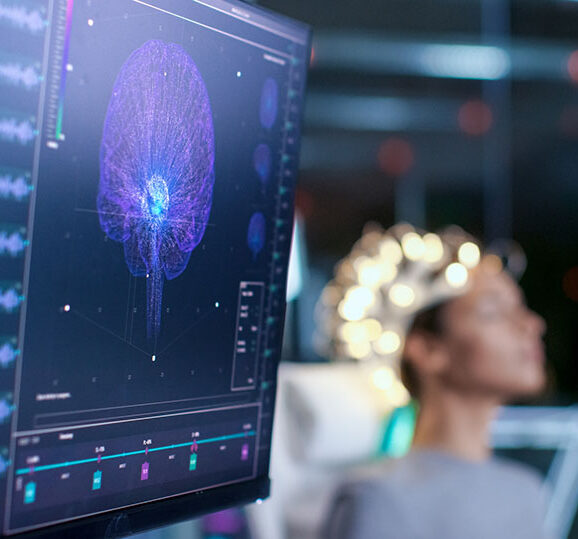
EEG treatment

How MeRT Builds on rTMS

Some patients at our clinic may be candidates for MeRT® (Magnetic e-Resonance Therapy), a more individualized form of TMS.

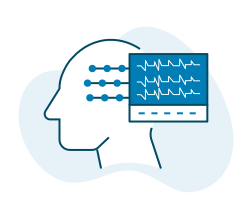
While standard TMS follows a standardized protocol, MeRT uses advanced diagnostics, including quantitative EEG (qEEG), to better understand how each person’s brain is functioning before treatment begins.

This information allows physicians to customize stimulation parameters, such as location and frequency, based on individual brain patterns.

Important distinction: Insurance coverage applies to FDA-cleared TMS for depression.

MeRT involves additional diagnostics and personalization and may include services not covered by insurance.

Our team will clearly explain which parts of care may be covered and which are not before you begin.

Our PROCESS

Steps to Take

To find out if TMS or MeRT is the right choice, begin by reaching out to our New Patient Coordinator. She is available to provide detailed information about the treatment, protocols, costs, and payment options. If you decide to proceed, we will schedule your initial two appointments for a non-invasive brain scan and a consultation with the doctor to discuss the scan results and potential benefits of treatment. 

01

Initial Testing

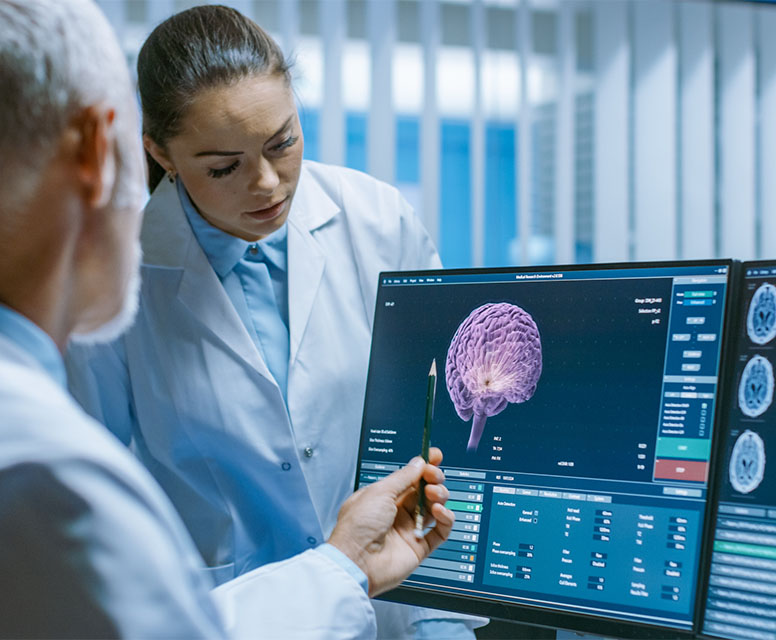
For the EEG (brain scan), we fit a cap on one’s head to record the brain’s electrical activity and identify any areas with irregular function. For the EKG, we place an electrode on the chest to capture the heart’s electrical signals and assess the coherence between the brain and heart.
02

Consultation

Following the qEEG/EKG will be a consultation with our doctor, either in person or virtually. During this meeting, we will review your test results, explain the treatment protocols, address any questions you might have, and discuss the potential benefits of treatment.

03

TMS Treatment

If you proceed with treatment, the first week will consist of 45 minutes per day for five days, Monday through Friday. The second week of treatment will last for four days, Monday through Thursday, followed by new testing on Friday.

04

Assessment

Most courses of treatment last approximately 6 weeks, with a new brain scan performed every 2 weeks to assess progress and further tailor treatment for optimal outcomes. Tailored treatment protocols are what help make MeRT even more effective than rTMS.

Testimonials

I felt like I was alone even though I was surrounded by love and care. It was just a cloud that would linger over my life every now and again. BTC helped me understand what was going on in my head and after a month of treatment, I was grateful to be DEPRESSION FREE and MEDICATION FREE for the first time in my life.”

Of all my injuries, by far the worst were the ones you could not see. I had degraded to the point of not being able to leave my home because of panic attacks and severe anxiety. I could not hide from this feeling, and no mediation could numb it. I told my doctor at one point I couldn’t kill myself because I have a family with young children that I am responsible for. I was living in despair and physical pain every day without reprieve, that is until I was able to get treatment. I underwent neural restorative therapy [MeRT] for two months with total symptom resolution. I can function again at work, and can spend much needed time with my family. I have my sense of well-being back and a clarity of thought I haven’t had in many years.”

For anyone suffering from depression, anxiety, and other symptoms, I highly recommend trying MeRT at the Brain Treatment Center. My adult son who has suffered from both problems his entire life, and has been on medication, realized a positive change after the first visit. We saw dramatic improvement after each visit. This technology is truly a magic bullet for the right candidate. The staff is professional and friendly. The facilities are equally professional. I would highly recommend The BTC to anyone that can afford the treatments."

For me, depression was the constant feeling of, ‘I want to quit’ and retreat to my home, except I already would be home. MeRT helped me shed this feeling in less that 2 weeks. I couldn’t believe I had spent so many years feeling this way!”

My experience was life changing. I struggled through years of sleeplessness, constant worry, and struggle with everyday life. Halfway through my first treatment plan, my spirit was revived. My loved ones, acquaintances, and people I met started to comment on my positivity and overall demeanor. I went from losing hope, to cherishing every moment. I would urge anyone who is struggling with head injury, depression, PTSD, or any type of psychological struggle(s) to pick up the phone and inquire. Your best days are still to come."

It was absolutely terrifying to not know what was wrong with me or how to fix the problem. MeRT not only identified the deteriorated state of my brainwave activity, they restored its function… I consider the healing I experienced to be nothing short of a miracle.”

Depression Treatment Backed by Extensive TMS Research

Transcranial Magnetic Stimulation (TMS) is one of the most well-studied non-invasive treatments for depression—particularly for people who have not responded to antidepressant medications.

Multiple large reviews and clinical studies have shown that rTMS is effective, well-tolerated, and capable of producing meaningful improvements in mood, function, and quality of life for patients with Major Depressive Disorder and treatment-resistant depression. Here are a few of them:


Efficacy of repetitive transcranial magnetic stimulation (rTMS) adjunctive therapy for major depressive disorder (MDD) after two antidepressant treatment failures, July 2023.

“Several meta-analyses proved the efficacy of rTMS treatment in MDD, which is comparable to pharmacotherapy, and may have even better tolerability. Our results strengthened that rTMS is associated with clinically relevant antidepressant effect in TRD as well, and may be a beneficial tool in the add-on treatment of patients with TRD. Furthermore, rTMS adjunctive treatment to antidepressants was found to be specifically effective in achieving full remission.”


Repetitive Transcranial Magnetic Stimulation for the Treatment of Resistant Depression: A Scoping Review, June 2022.  

“Overall, 16 out of the 17 studies suggested that rTMS treatment was effective, safe and tolerated in TRD. For patients with TRD, rTMS appears to provide significant benefits through the reduction of depressive symptoms…”

The association between sample and treatment characteristics and the efficacy of repetitive transcranial magnetic stimulation in depression, Oct 2022.  

“Data from nearly 3000 patients from 65 randomized controlled trials were included in this meta-analysis.  rTMS was confirmed as efficacious in treating depression when looking at symptom reduction, response and remission.”


Scientists doing brain research on leucovorin and autism

Efficacy of repetitive transcranial magnetic stimulation in treatment-resistant depression: the evidence thus far, August 2019.

“rTMS is rapidly gaining popularity as a treatment modality for depression. There is growing evidence to support its use in patients with depression as a monotherapy or as adjunct with pharmacotherapy. Additionally, rTMS has been found to be safe and effective in pregnant patients and elderly patients…”

Use of Transcranial Magnetic Stimulation for Depression, May 2019:

“The clinical efficacy of TMS as an antidepressant has been well established. TMS is an innovative and promising treatment modality for patients with TRD [treatment-resistent depression].”


Insurance Coverage for Depression Treatment

TMS therapy is FDA-cleared for the treatment of depression. At this time, TRICARE is the primary insurance plan we work with for TMS treatment when medical criteria are met.

TRICARE coverage for TMS typically requires:

  • A diagnosis of Major Depressive Disorder

  • Inadequate response to at least two antidepressant medications

  • No medical contraindications to TMS therapy

Our New Patient Coordinator can help you understand whether you may qualify under TRICARE by:

  • Reviewing eligibility requirements

  • Explaining the authorization process

  • Guiding you through the next steps

Coverage is not guaranteed, but we are experienced in working with TRICARE beneficiaries and can help you determine whether TMS may be an option for you.

Talk With a New Patient Coordinator

If depression has continued despite treatment, you don’t have to navigate the next steps alone.

Start with a free, no-obligation call to learn whether TMS or MeRT may be a fit for you and what coverage options are available.

Call our New Patient Coordinator

Or fill out the form below, and we will contact you.

Contact Us

"*" indicates required fields

This field is for validation purposes and should be left unchanged.